Shelter review: Vintage Statham in a lean surveillance thriller
Shelter puts Statham in Jason Bourne mode, pitting him against the vast surveillance apparatus of an intelligence agency. It's a strong new entry in the action star's stacked filmography.

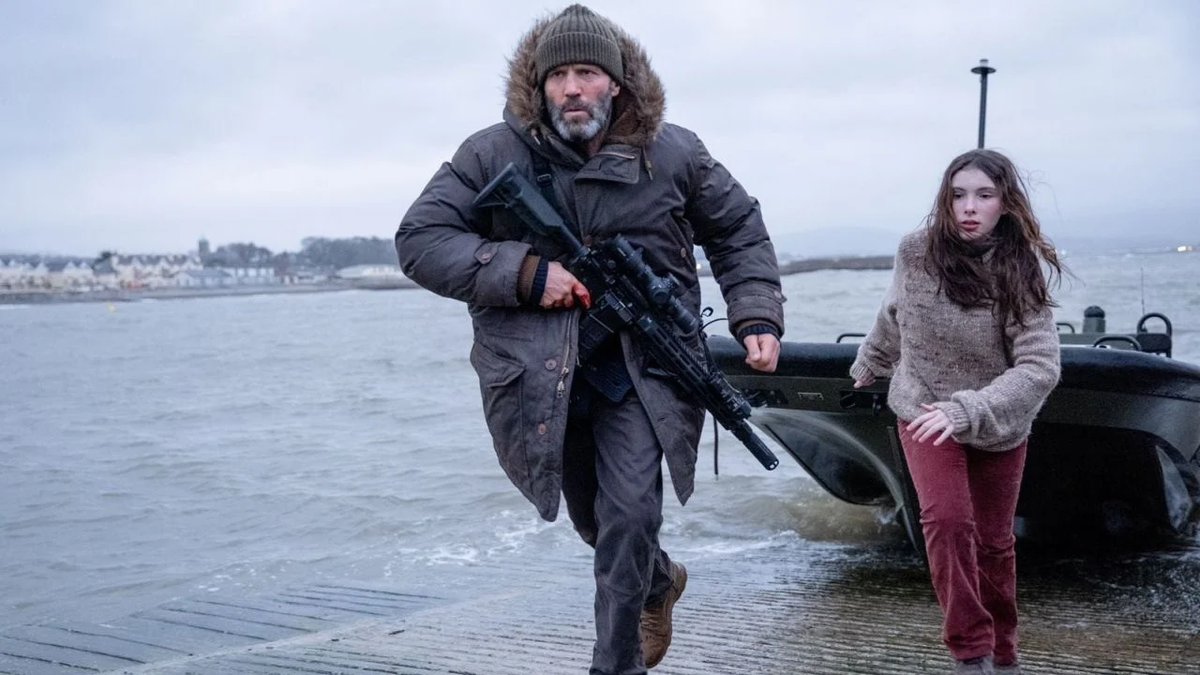
A real* Jason Statham-Ric Roman Waugh collaboration was probably overdue. Arguably the most consistent modern action star, with one of the most consistent modern mid-level action directors? It’s a match made in heaven, and it pays off in Shelter, Statham’s most Bourne-like movie yet (available for digital rental and purchase now, and streaming on Starz May 30).
After a brief detour in the Fast and Furious franchise, Statham is back to what he does best – lean, blue-collar genre movies where he plays a gruff guy with a job to do. (As R. Emmett Sweeney so eloquently described in his “State of Statham Address,” Statham is “on the path to reclaim the mantle of Gen X Charles Bronson, a working class granite-jawed stoic who excels at excessive violence.”) In Shelter, Statham is Michael Mason, a drunk, depressed former government assassin who lives at an abandoned lighthouse off the coast of Scotland. After a disastrous storm, he has to take care of injured teenager Jessie (Bodhi Rae Breathnach, Hamnet) when they both become targets of the British government in an increasingly surveilled world. The latest winner in a run of heaters for the rugged English action star, Shelter succeeds due to clever use of surveillance, typically effective direction from Waugh, and the central bond between Mason and Jessie.
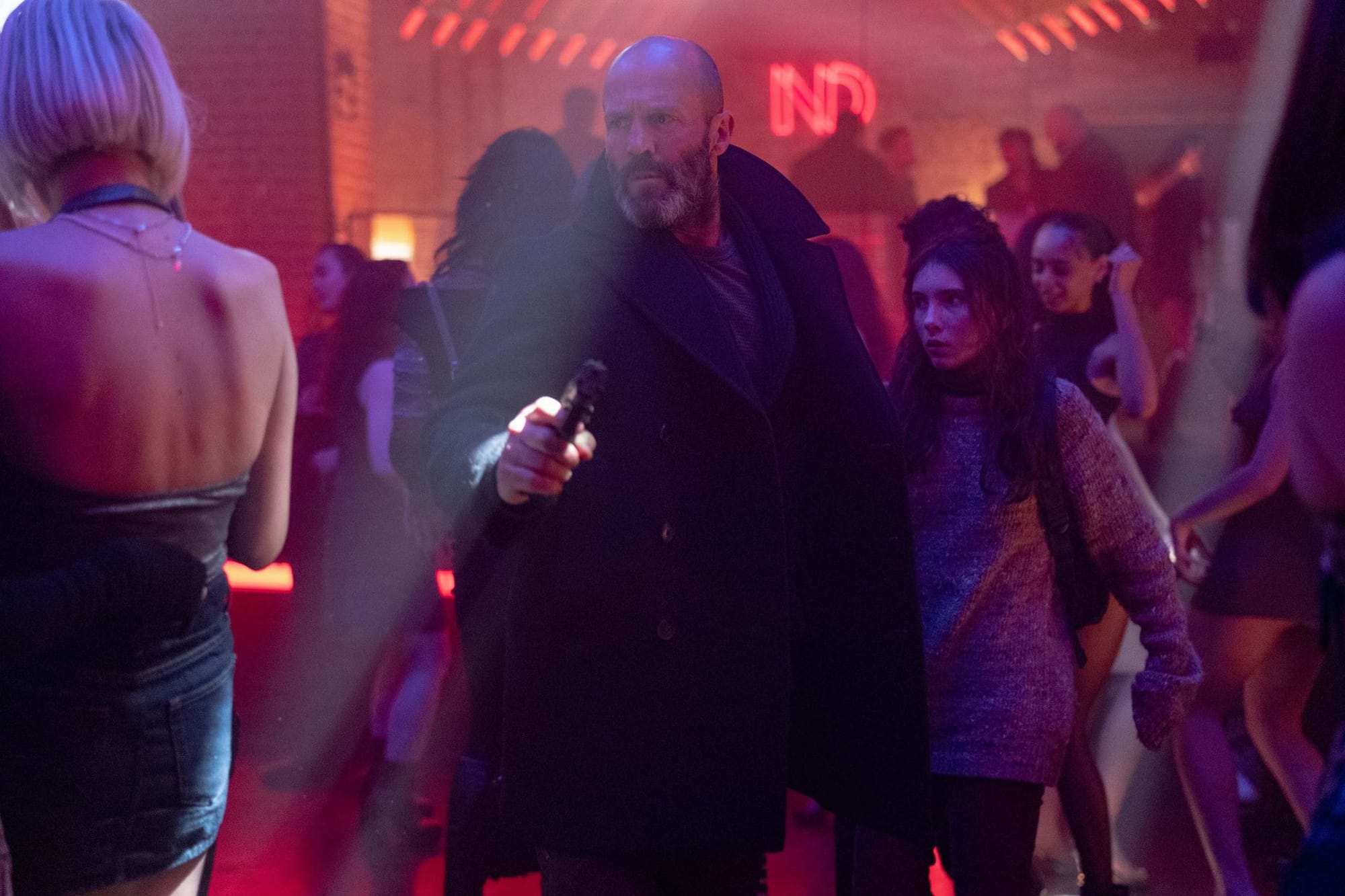
As a director, Waugh is a great match for Statham: he’s a lean genre filmmaker best known for his collaborations with rugged Scottish action star Gerard Butler (Greenland, Kandahar, the Has Fallen series). Shelter is a bit more action heavy than some of Waugh’s previous work, and to its benefit – Statham gets to use his martial arts skills, and there is also a Home Alone-style home invasion sequence with traps and a John Wick-style night club fight. And for the Statham diehards, the lighthouse setting means the action star gets to use his background as a former member of the British national diving team, with multiple action beats in the water.
Waugh grew up in a stunt family -- his dad was a stuntman, and brother Scott is another stuntman-turned-action director who worked with Statham on Expend4bles. Waugh’s movies reflect that legacy, balancing satisfying action beats with strong thriller elements, resulting in efficient, effective genre films with a high floor of quality. In Shelter, that thriller element is seen through the all-too familiar threat of constant surveillance in MI6’s chase of Mason.
While Mason is dealing with lighthouse life, MI6 is trying to smooth over an investigation into a highly advanced illegal surveillance program used to monitor British citizens. That program is also being used to find Mason, and when he’s forced to go to the mainland to pick up supplies for Jessie, Waugh shows us the seemingly endless number of cameras that now occupy nearly every public space. It’s an especially clever touch to have a protagonist who is hyper aware of cameras but has fallen behind the curve in his decade out of the field – we frequently see Mason being extremely careful to avoid surveillance cameras in storefronts, only to accidentally cross the path of a much smaller camera (like someone taking a selfie).
It’s also refreshing to see one of these spy thrillers where the intelligence agency is an antagonist again, harkening back to the Bourne series. Shelter waffles on this, depicting certain MI6 personnel as bad actors within the system, but it at least avoids the pitfall many of these movies fall into, where the protagonist teams up with a rebellious member of the agency. MI6 is plainly a negative force in his life and in the life of regular people in Shelter.
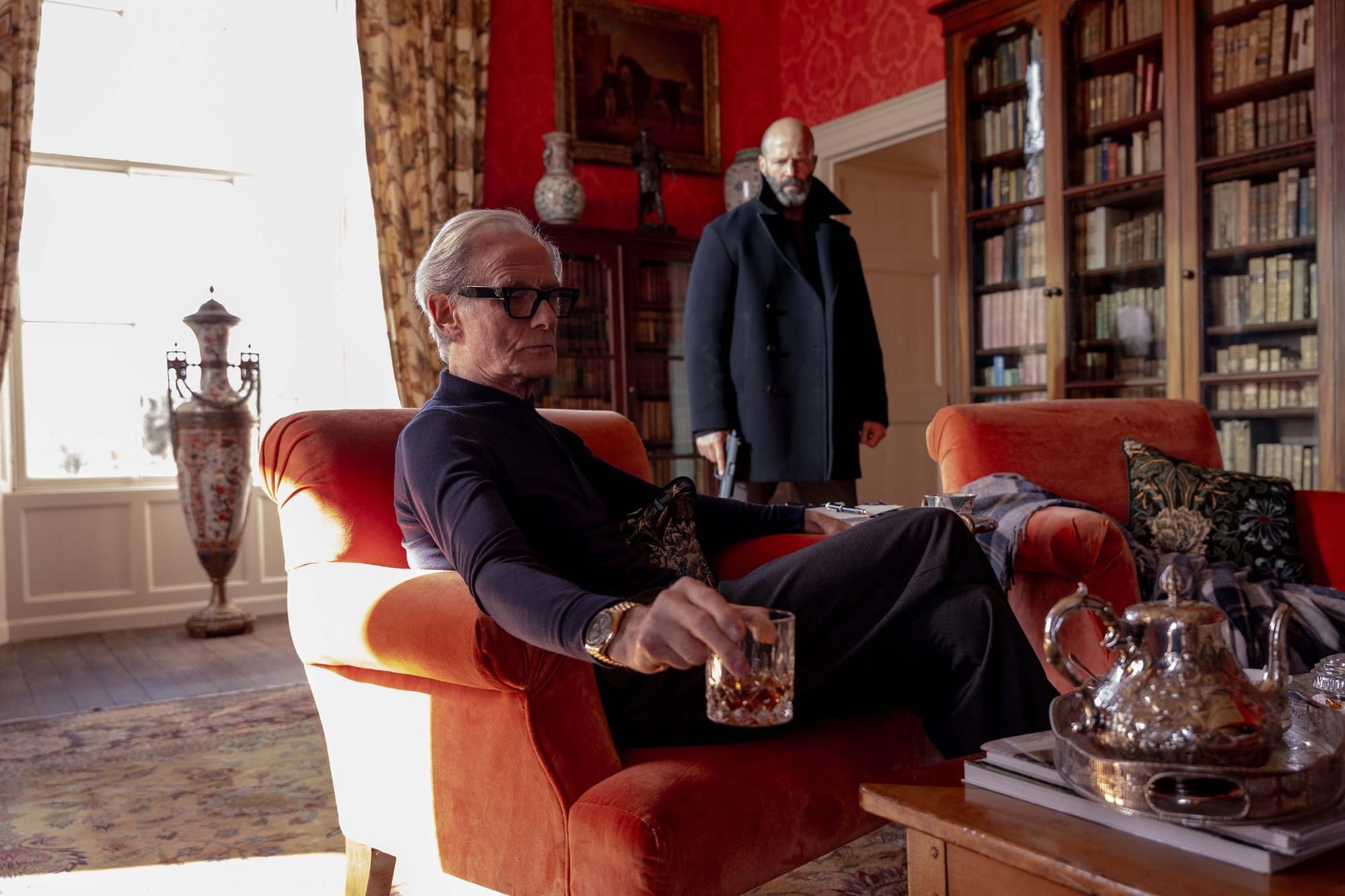
Mason becomes a bit of a father figure to Jessie, with an open question of whether he is her actual biological father. This sort of relationship is well-trodden ground in action movies, but Shelter sharply subverts established norms in the sub-genre, actually reckoning with its protagonist’s flaws. Mason and Jessie’s relationship feels more genuine in the process. Some light spoilers here, but the movie telegraphs much of this: There’s a pervasive fantasy in these kinds of movies that, with the proper stimuli, bad dads (or their allegorical stand-ins) can be shocked into becoming a good father. Shelter does not fall for this trap, and also doesn’t make Mason detestable in the process. He’s a great protector for Jessie in this one, very specific situation, but it’s not realistic to think he can be much more than that for her. As a result, the real bond they have feels more moving and realistic.
Shelter clearly carries a heavy influence from a lot of great action movies before it, but when you pick good things to be influenced by, execute them at a high level, and tweak a few things for a better fit, that can work well. It helps that the movie has a fresh take on surveillance and father figures within the genre, and that it’s anchored by one of our most consistently entertaining action stars. The Stath of the Union is strong.
*Statham and Waugh have worked together once before, but under very different circumstances. Waugh was a stunt man in the Jet Li movie The One, where a (surprisingly hirsute) Statham plays an agent for the MultiVerse Authority.