Disclosure day on two flawed blockbusters
Which is the master of the (summer sci-fi) universe?


I watched two more of the summer’s failed* blockbusters, because that's a category of movie I always find interesting. Disclosure Day and Masters of the Universe are both about aliens, otherworldly powers, and destiny. They both have moments of excitement, humor, and a few interesting running themes. They also both ultimately fall short of success due to clunky dialogue, intrusively bad CGI, and third act problems.
*critically and financially, at least (but what is success/failure in art anyway, etc. etc.)
A new He-Man movie had been gestating for decades, with John Woo rumored to be developing one almost 20 years ago. After numerous exchanges of rights, directors, and stars (and one very successful Mattel movie), the project fell to Amazon MGM Studios and director Travis Knight. Knight is best known as the head of Laika Studios, a position he gained after the studio was purchased by his father, billionaire Nike founder Phil Knight. Despite that origin story, Knight has a pretty positive reputation: He uses his father’s billions to fund ambitious animated projects (likely the newly released Wildwood) at a steep loss. Masters of the Universe is his second live-action movie, following the Transformers spin-off Bumblebee, so his non-Laika projects have exclusively been movies about toys.
Masters of the Universe was one of the summer’s biggest box office bombs (and it’s easy to see why), but it’s a largely entertaining popcorn flick with a strong sense of its tone and appeal,. The movie follows Adam (Nicholas Galitzine), prince of the planet Eternia, who escaped to Earth as a young boy after an attack. Now on Earth as an office worker and obsessed with finding the magical Sword of Power he lost when he first came to Earth, Adam works to return to his home planet and save his planet (and his family’s legacy).
The movie has the approximate shape of an isekai, but in a fun twist on the formula: Adam knows he is He-Man, rather than there being some great reveal of his legacy. That leaves room for a very funny opening scene where he scares off a first date by answering normal questions like “where are you from” with 1000% honesty, immediately sharing his alien origins and destiny.
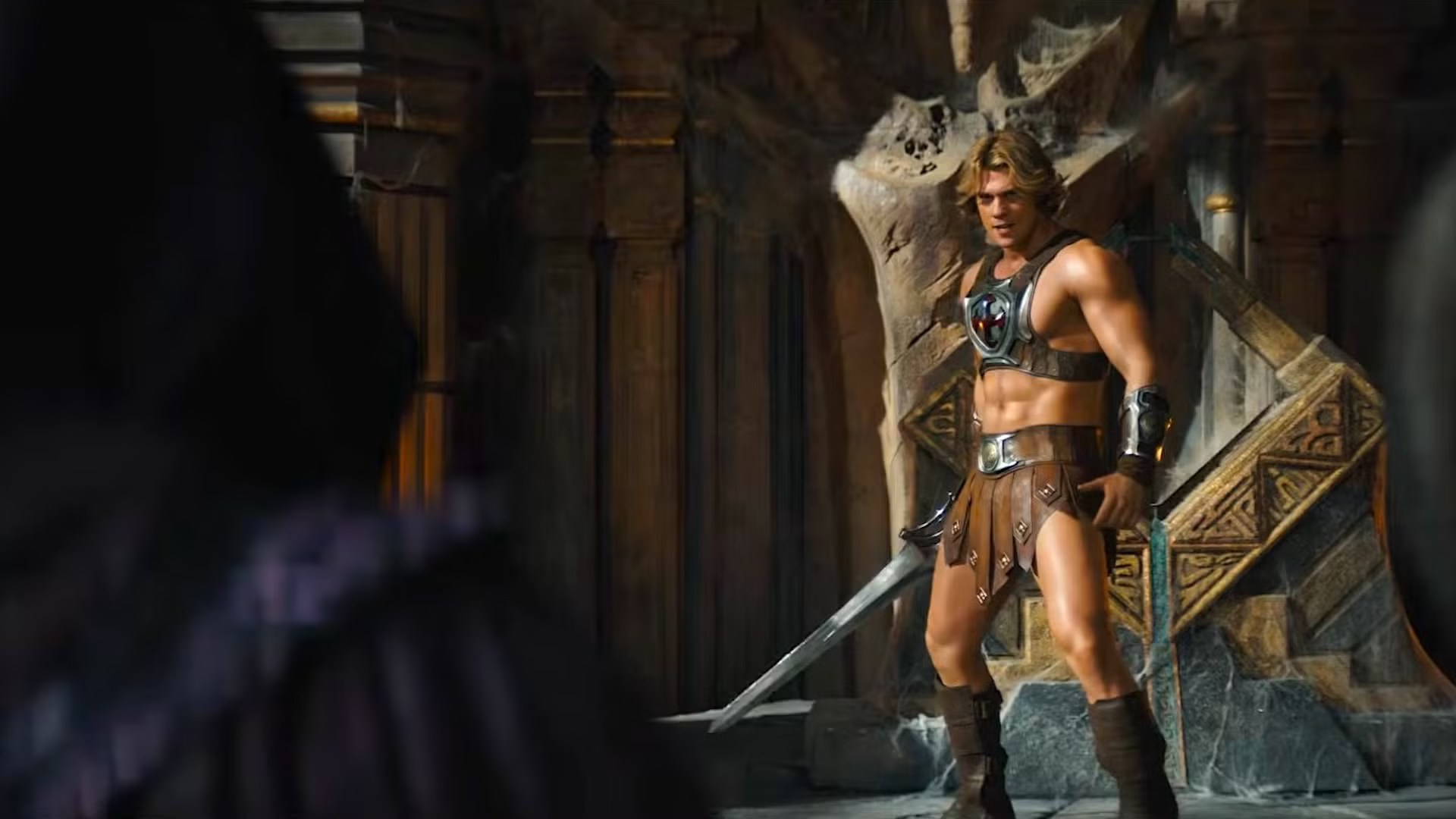
Galitzine’s performance is one of the highlights – he’s dopey, well-intentioned but naive, and earnest to a fault – and fits the movie’s strong overall sense of its tone. You could never accuse Masters of the Universe of taking itself too seriously, but the movie veers too heavily in that direction, falling into the unfortunate trap many of these IP movies do of making jokes about how silly and stupid the source material is. If I never have to hear another version of “don’t worry, we think this made-up fantasy name is stupid, too” in one of these movies, it’ll be too soon. We all chose to be here, at a He-Man movie! I accept his name is He-Man!
It really feels like it could have used a punch-up in the dialogue, too – while the tone feels right and most of the performances are strong, the whole thing feels like it should be at least 20-30% funnier than it is. Jared Leto is regrettably very funny as Skeletor, but it’s the best part in the movie, and one pretty much anyone could have eaten up. There’s no reason that it had to be a guy who has been accused of sexual misconduct by nearly a dozen women.
Masters of the Universe’s other main problems are the pacing and the visuals. At nearly two-and-a-half hours, it’s way too long, with exceedingly dull stretches (the stuff on Earth feels particularly tedious). Visually, the lovingly crafted silly costumes and neat practical creature designs (Skeletor’s soldiers with rib cage armor is a highlight) compete with ugly VFX backdrops and the same CG monster face we’ve seen in dozens of other movies and TV shows this decade. But the strong sense of self pervades from top to bottom, and combined with winning performances makes it a fun time.

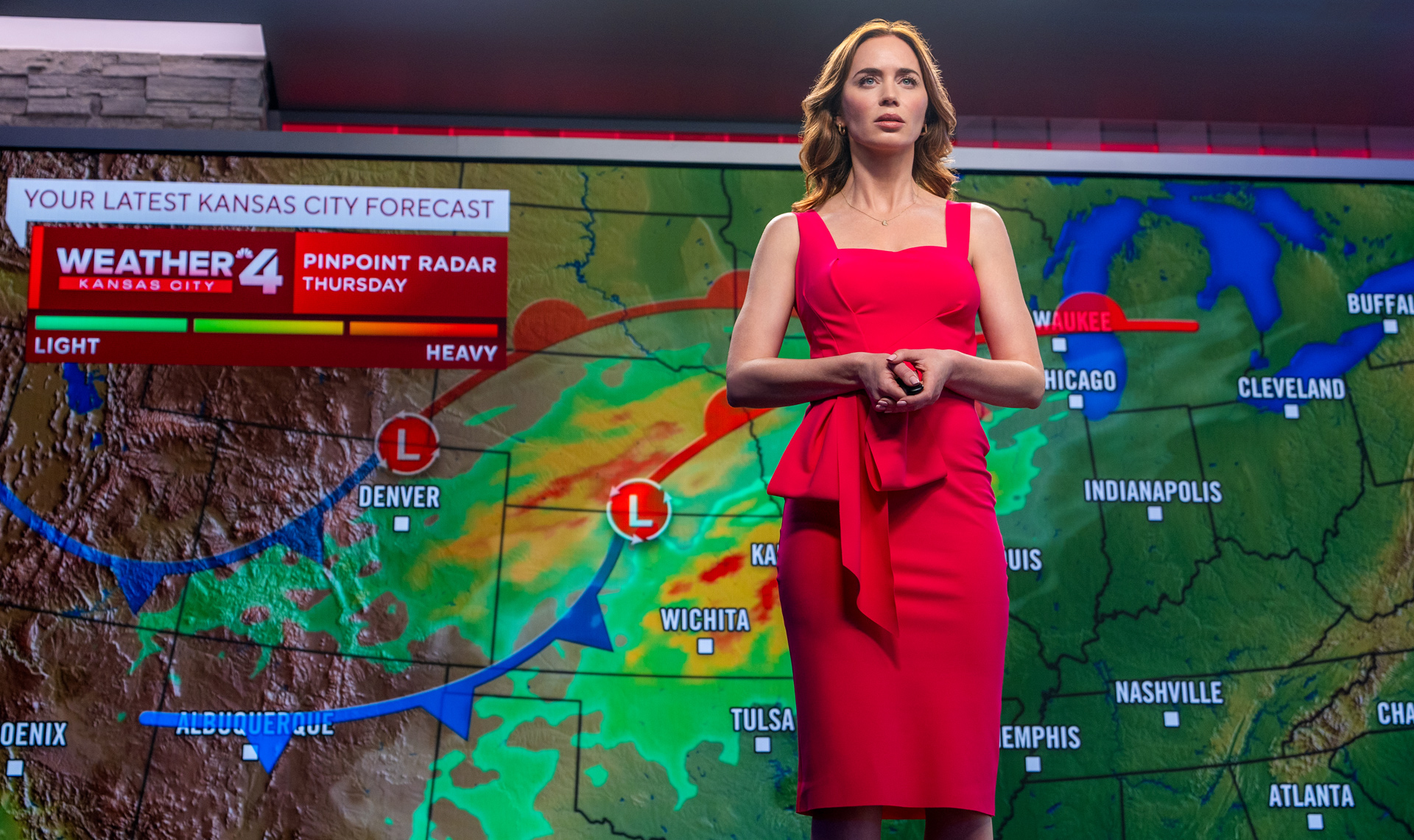
Disclosure Day is Spielberg’s latest first contact movie, told as a conspiracy thriller about freeing government secrets. The beginning is split into two plots. One is interesting and convincing – Emily Blunt as meteorologist Margaret Fairchild, going through sudden frightening changes and supported by Wyatt Russell, in his bag as a caring but slightly dense boyfriend. Margaret has suddenly become attuned to something out there, allowing her to speak languages she would have no way of knowing without realizing she’s doing it. Blunt is terrific as always, managing at first to keep the bubbly, effervescent persona that makes her a successful weather woman while also letting the fear and uncertainty of her situation gradually creep in.
The other plot is a mess – Josh O’Connor as whistleblower Daniel Kellner, along with his girlfriend Jane (Eve Hewson, whose Irish accent slips through to a degree where I felt I had to start inventing plausible explanations for why this person talks this way). Daniel is a cybersecurity specialist who is part of a breakaway contingent of government contract workers who wish to expose footage of decades of extraterrestrial encounters and government experiments to the public.
O’Connor’s portion should be the exciting half, but instead this part of the movie is saddled with a bizarre side plot that expands a lot of energy wondering what will happen to devoutly religious people if they discover aliens are real, as if devoutly religious people haven’t bent their faith to fit their reality (or vice versa) repeatedly throughout history. Jane also has an unfortunate case of “character who doesn’t want the movie to happen,” while Daniel repeatedly makes extremely unsafe decisions with the information he has been given. When he makes a decision with the same amount of information as the audience, it’s hard to get past how stupid some of his choices can be.

The movie has some typically strong Spielberg set pieces, but it’s more of a dialogue-heavy, conceptual/”thinking” Spielberg movie and brother those elements really stink. Disclosure Day caught that Netflix bug where characters narrate and repeat everything so that we, the presumably catatonic or otherwise occupied audience, can keep up with the themes and the narrative.
Speaking of themes, Disclosure Day gestures at a lot of notes I like in sci-fi – expansive definitions of personhood, the power of understanding each other, the limitations of our current structures and systems and the need for radical change. But it all ultimately feels very easy and hollow, both within the stakes and framework of the movie and with what we’ve seen with our own eyes in the real world over the past decade. Truth has become more and more clearly something that cannot be agreed on, no matter the visual or statistical evidence given otherwise. We all live in our own worlds, but Disclosure Day proposes we can combine them with the proper shock to our system. I’m not so sure, and the movie doesn’t convince me otherwise.
I’ve been cast in the role of Spielberg defender in many conversations with Spielberg-hating loved ones, and while Disclosure Day has its moments of excitement and intrigue, it ultimately represents all the criticisms I’ve defended him from: overly saccharine and self-serious, with plastic characters and mind-numbing dialogue that primarily serves to beat you over the head with the narrative beats and themes.
While Disclosure Day’s occasional vintage Spielberg set pieces eclipse the highest moments of Masters of the Universe, at least the He-Man movie has a consistent sense of its tone and ambitions. Disclosure Day takes itself too seriously, but not seriously enough to make the details feel real. Masters of the Universe doesn’t take itself seriously at all, which often helps but is occasionally to the movie’s detriment when it stoops to embarrassed jokes about the “silly” material from the source material. Which one you prefer comes down to your priorities for this kind of fiction – I’ll take Masters of the Universe’s clear sense of its tone versus Disclosure Day’s brief moments of technical brilliance on this one.