A brief history of live-action fighting game movies
Mortal Kombat II and the new Street Fighter movie are around the corner, so here's a look at the history of live-action fighting game movies -- the best, the worst, and what the new ones need to do to succeed.

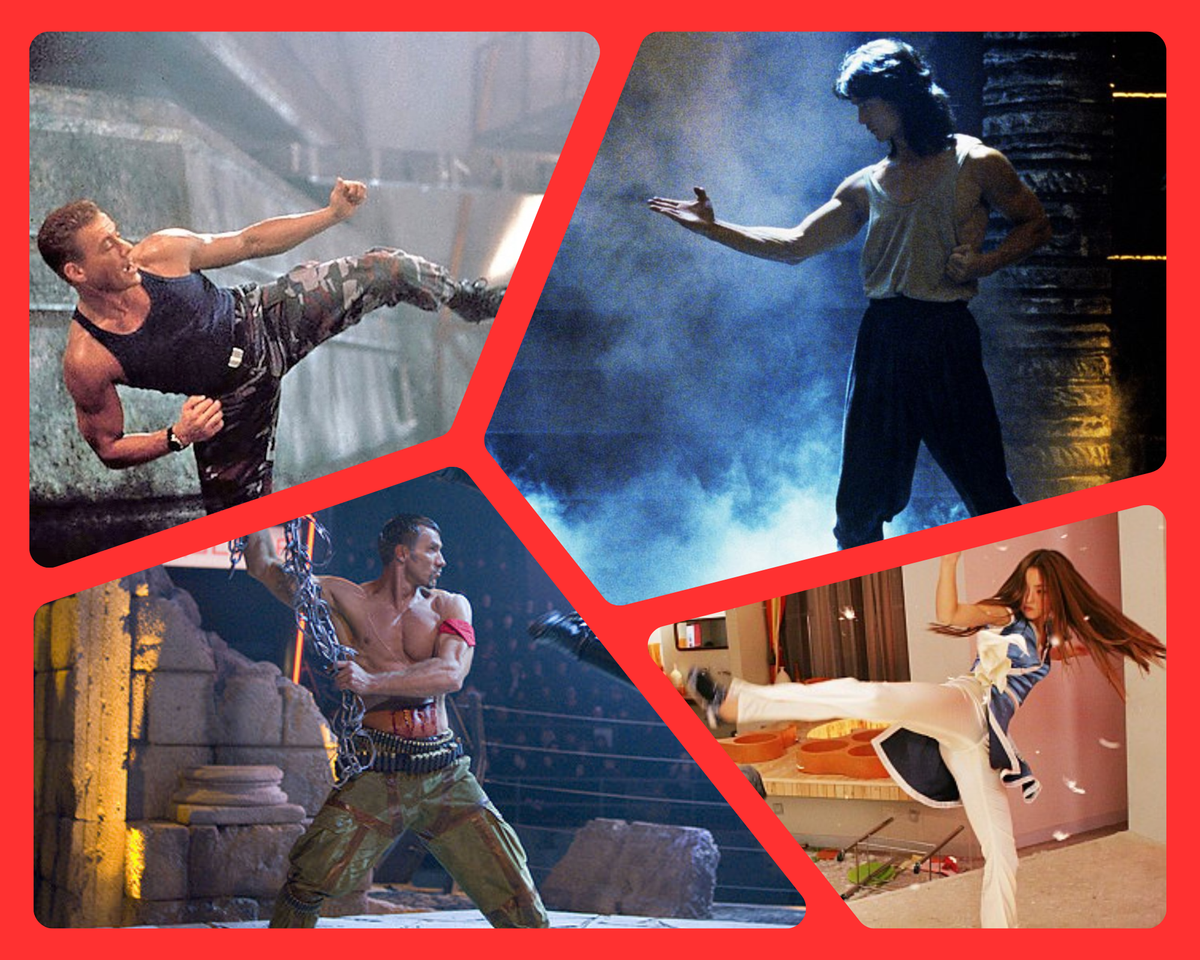
With the upcoming releases of Mortal Kombat II on May 8 and Street Fighter on October 16, fighting games are once again all over Hollywood. But how have movies adapted fighting games in the past, and what makes a good live-action fighting game movie? Let’s walk through the history of fighting games and movies and look at the ways fighting games have been adapted to live-action, successfully and not-so-successfully.
The myriad ways in which martial arts cinema has influenced video games are well-documented. Briefly, Bruce Lee films like Enter the Dragon and Game of Death led to video games like 1984’s Kung-Fu Master and 1987’s Double Dragon. These games eventually evolved into the first fighting games. Street Fighter, also from 1987, borrowed Kung-Fu Master’s progression of enemies from different locations, and added the ability to fight against another human. Street Fighter 2, released in 1991, expanded the ideas in the first game, incorporating and evolving mechanics and technology from beat-‘em-ups like Double Dragon and Final Fight, and fighting games took the world by storm. Mortal Kombat arrived in 1992, with characters inspired by stars of martial arts cinema like Jean-Claude Van Damme and Cynthia Rothrock. Soon, movie studios would be looking to the world of video games for material to adapt, and fighting games would be among the first games adapted.
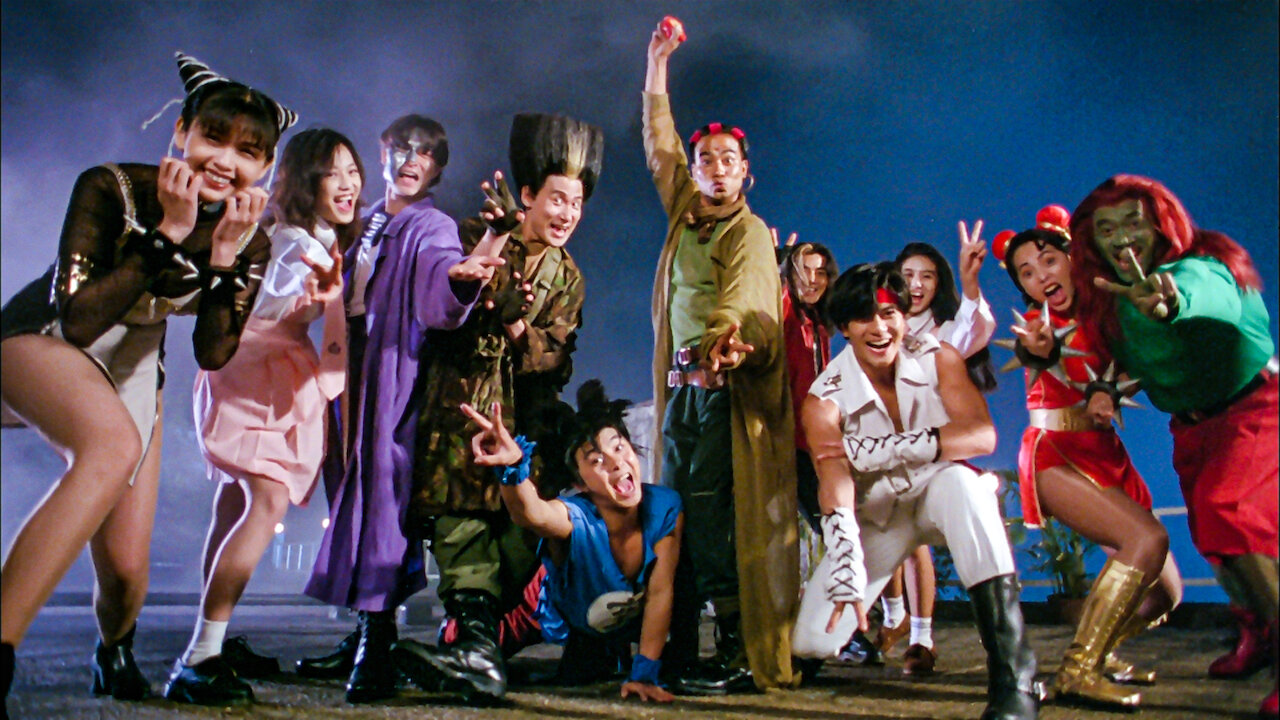
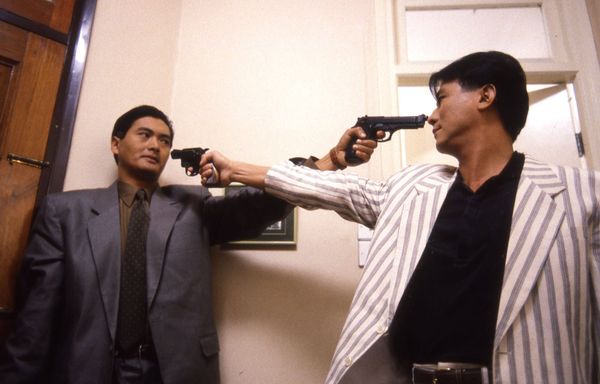
1993 saw the release of two live-action films adapting video games. The first, Super Mario Bros., was officially approved by Nintendo. The other film, which took characters and ideas from Street Fighter 2, was not an official adaptation at all. This film was Hong Kong’s Future Cops, directed by Wong Jing and starring Andy Lau, Simon Yam, and Jacky Cheung. The plot has little to do with fighting in the streets, and the characters only slightly resemble their Street Fighter 2 counterparts. Guile becomes Broomhead, Ken becomes Kent, and there are two Chun-Li stand-ins.
The plot centers around police from the future who travel back in time to stop a warlord. This results in Looney Tunes-style pranks in a high school, two characters entering a parody of Super Mario Bros. to have a serious conversation about love and sex, and a late appearance from a character who is Goku from Dragon Ball Z in all but name. If this very loose adaptation leaves any question about Wong Jing’s affection for the source material, he also featured Street Fighter 2 characters in a hallucination scene in his earlier film City Hunter, starring Jackie Chan. Future Cops is an incredibly silly and fun movie which is inspired by the filmmaker’s love of Street Fighter 2, and is absolutely worth seeking out because there is very little like it.
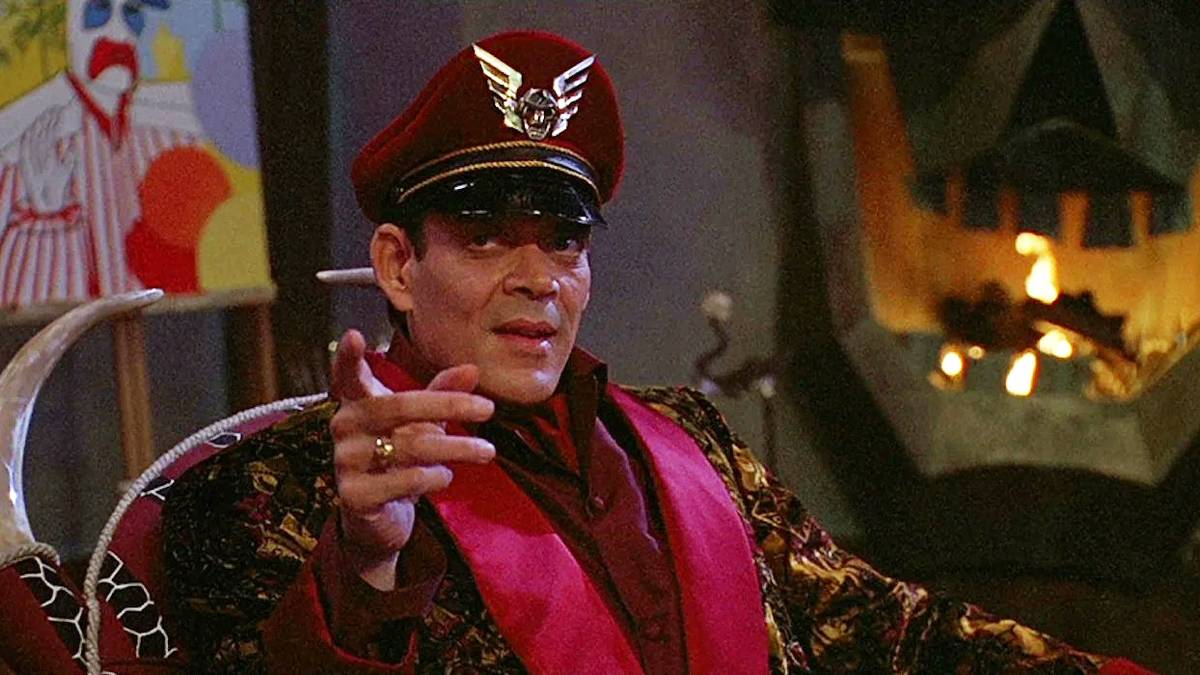
Future Cops was swiftly followed by an adaptation officially sanctioned by video game publisher Capcom, 1994’s Street Fighter directed by Steven E. de Souza and starring Jean-Claude Van Damme and Raul Julia. For a fighting game movie, Street Fighter doesn’t have as much action as a fan might expect. The movie is mostly played for laughs, but that’s not really a detriment. The film’s biggest crime is there are no good fights, but it gets by on the charm of its lead actors, who give their all to support the very self-consciously silly plot. One standout supporting performance from the film is Andrew Bryniarski as Zangief, doing a very good dumb guy routine. The script includes a lot of great material, especially for Raul Julia. Everyone remembers his Bison saying, “For me, it was Tuesday,” but that’s just one of many memorable lines for Bison in the movie. Having him deliver lines like, “All I want to do is to create the perfect genetic soldier,” is a guaranteed good time. The filmmakers and actors of Street Fighter understood what kind of movie they were making.
1995 brought another major fighting game adaptation: Mortal Kombat, directed by Paul W.S. Anderson and starring Christopher Lambert, Robin Shou, and Cary-Hiroyuki Tagawa. This film was a box office smash, becoming the highest-grossing video game adaptation yet. It’s easy to see why. Of course, it was based on one of the most popular video game franchises of the era, but in addition to that, the fights are dynamic and unique, it has a swift pace and appealing sense of style, the soundtrack is iconic, and it is anchored by a great villain performance from Tagawa as Shang Tsung. All of the elements of a good fighting game movie are there. It would go on to spawn a sequel, 1997’s Mortal Kombat: Annihilation, which is far less successful in these areas.
The biggest failing of Mortal Kombat: Annihilation is that it is quite simply unfinished. The sequel, directed by John R. Leonetti, was released to theaters with special effects that were not done, and this throws all the other failings of the film into sharp relief. The script does not have the dynamism of the first film. The plot is all convoluted world-hopping, without the clean structure of a fighting tournament. The actors are given bad, hackneyed material to work with, and they are left hanging out to dry. This does lead to some howlers, like James Remar’s Raiden appearing out of thin air mid-flip into a scene and declaring, “Never give up hope!” These laugh lines do not, however, compensate for the rest of the movie.
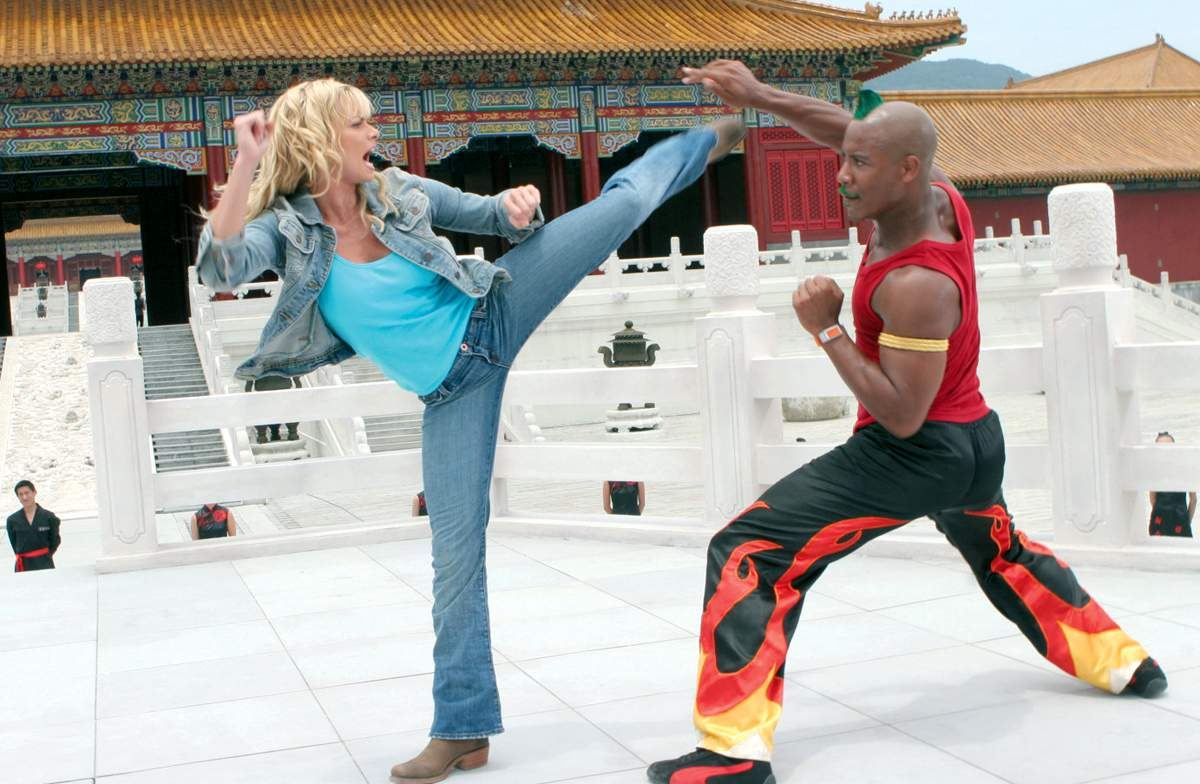
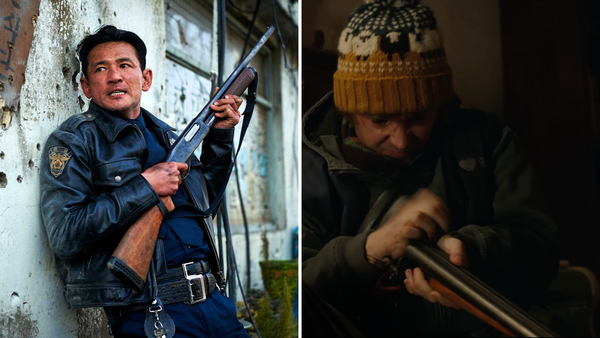
The disappointing box office performance of Mortal Kombat: Annihilation meant the live-action fighting game movie genre would take a break until 2006, when venerable Hong Kong action director Corey Yuen would take a stab with DOA: Dead or Alive, based on the Dead or Alive game series from Koei Tecmo. This film’s plot involves a fighting tournament on an island run by the villainous Donovan, played by Eric Roberts. The world of the film is ridiculous, there is very little plot to speak of, and yet the movie works. This is due to a few factors. One is that Eric Roberts is clearly having a blast chewing on the scenery as the villain. Another is the plot, what little of it there is, doesn’t take itself too seriously. It strikes the right tonal balance. The biggest reason the movie works is the fights are fun and interesting to watch. They are varied and have fun twists which keep them engaging throughout, the mark of an experienced martial arts action director. The biggest failing of the movie comes in the form of some incredibly lurid and objectifying cheesecake material. This, to be fair, is perfectly in line with the game series on which it’s based. The movie even takes time to include a nod to the beach volleyball spin-off game. Still, this makes the movie hard to swallow at times.
After this, things go downhill quickly. 2009 saw the release of The King of Fighters (based on the SNK franchise) and Street Fighter: The Legend of Chun-li, both of which are interminably boring and nonsensical. Tekken (based on the Bandai Namco game series) was released direct-to-video in 2011, an ugly and loud affair that is somehow even worse than 2009’s entries despite centering on a fighting tournament. 2014 gave us the prequel Tekken 2: Kazuya’s Revenge, which is only worth a mention as the worst of the bunch. The genre would not begin to right itself until the release of Simon McQuoid’s Mortal Kombat in 2021.
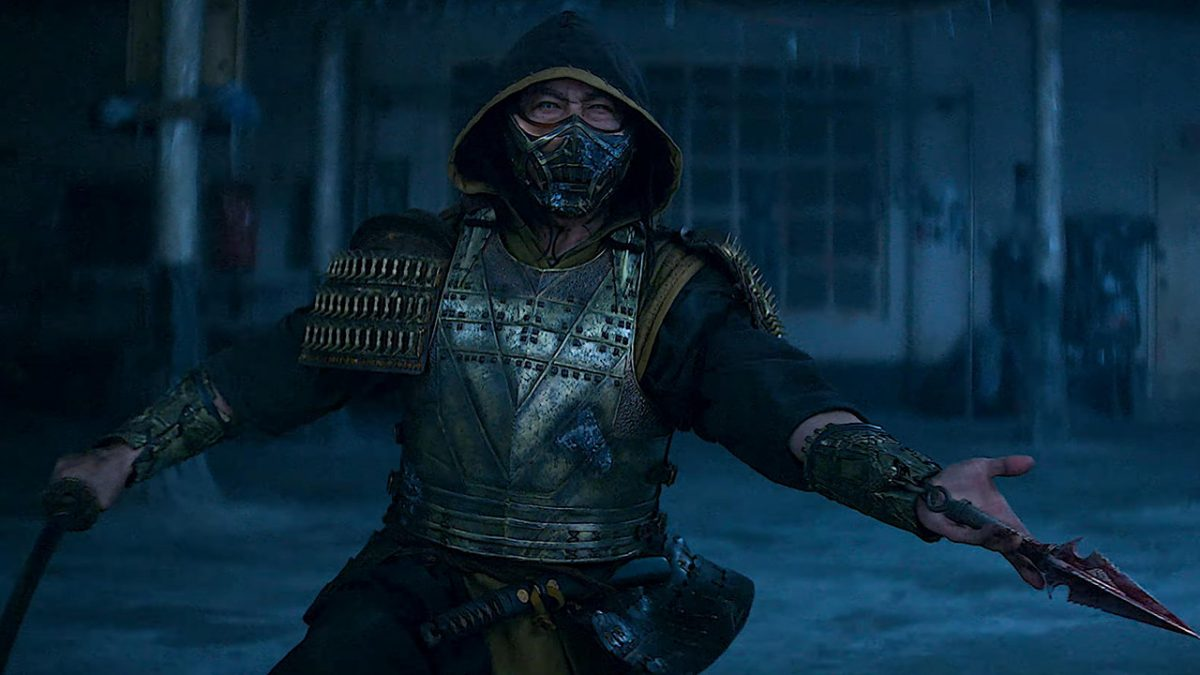
2021’s Mortal Kombat doesn’t get everything right. It’s a bit too self-serious, and it has no good central performance on which to anchor the story. It also teases a fighting tournament which never arrives. The fights in the movie aren’t particularly memorable either, outside of the admittedly fun, sufficiently gory fatalities. The film got a decently warm reception, however, and made enough money for director Simon McQuoid to return for a sequel.
So what can fighting game fans look forward to in 2026, and will McQuoid’s Mortal Kombat II and Kitao Sakurai’s Street Fighter deliver?
The elements needed to make live-action fighting game adaptation work are charismatic actors, dynamic and interesting fights, and plotting which doesn’t take itself too seriously, which is helped by centering the plot on a fighting tournament. Mortal Kombat II and Street Fighter both seem to be heading in the right direction, taking lessons from previous live-action fighting game movies.
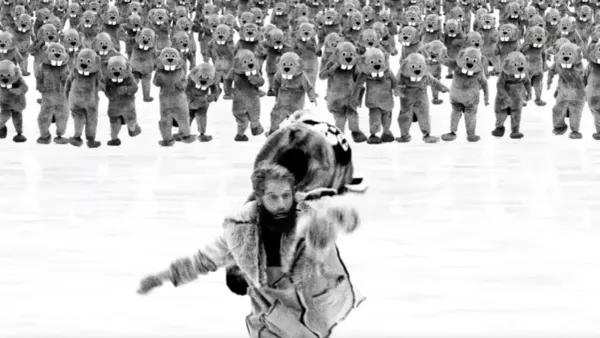
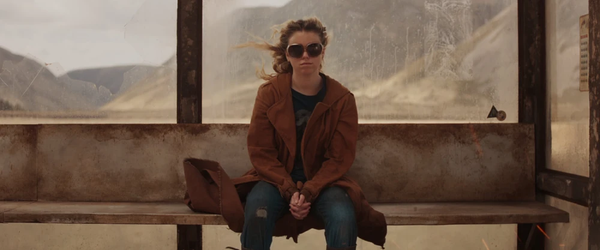
With Mortal Kombat II, the addition of Karl Urban to the cast will be a major boon to the formula which didn’t quite work in the 2021 film. Trailers suggest the audience will actually get to see the fighting tournament in this new one, too. A fighting tournament will be central to the plot of Street Fighter as well, and the director’s history with Eric Andre suggests that the movie has a chance to strike the right tonal balance. It seems like both films will have the proper ingredients, but it remains to be seen whether they will help get the genre back on track.
Sophie Bee is a writer and fighting game movie enthusiast based in Providence, Rhode Island.