
Mutiny review: A Statham movie lost at sea
Statham's hit-then-miss streak continues in a sea-based action thriller movie that runs aground

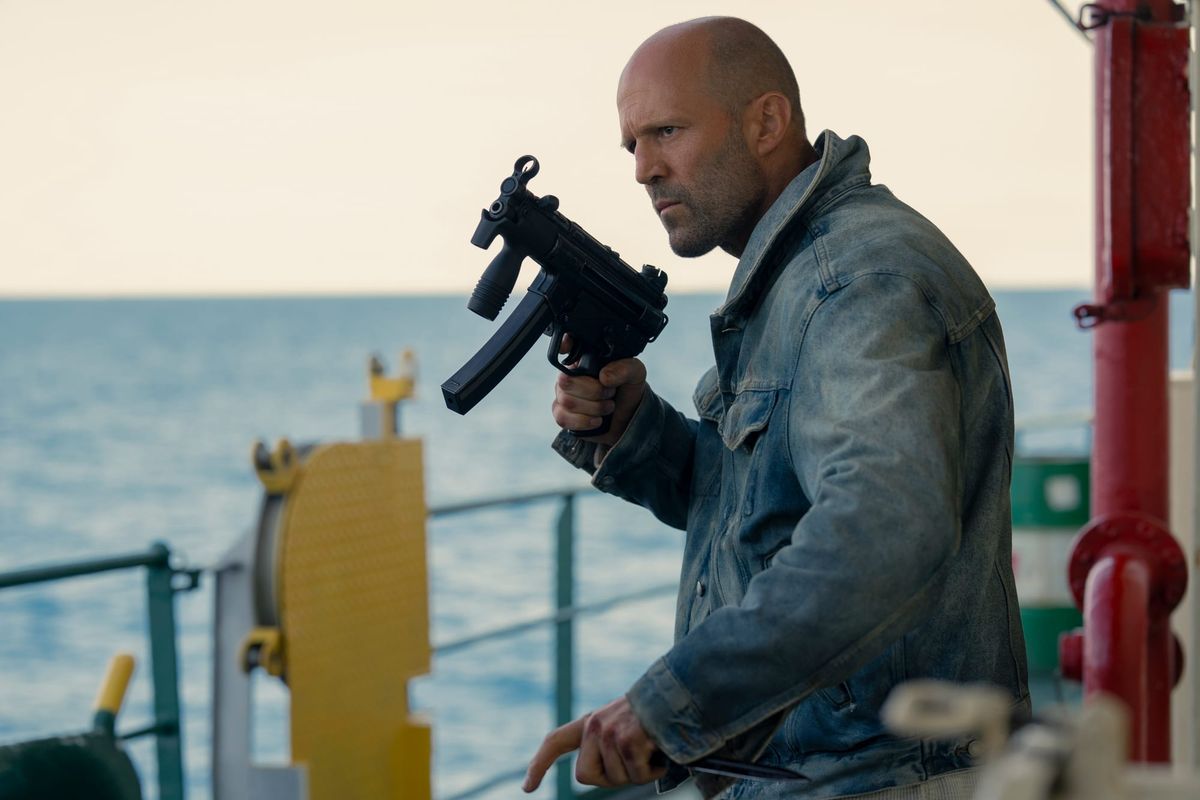
“From the guy that brought you Gerard Butler on a plane, it’s Jason Statham on a boat!” is an easy pitch to get me on board. Mutiny is even the second vaguely aquatic Statham movie to come out this year, following the genuinely quite good Shelter. But while Shelter made strong use of Statham’s working class-action hero persona, Mutiny runs aground into tired modern action tropes, underdeveloped characters, and a failure to properly ground audiences in the massive boat where the action takes place.
Statham plays Cole Reed (great Statham character name), the extremely observant security head for a billionaire shipping magnate. Reed is an ex-cop who looks up to his boss as a sort of father figure, playing chess with him and having vulnerable conversations around the upcoming sale of the company. On their way home from an event, assassins ambush and kill the shipping magnate, and Reed is framed for the crime. To avoid the manhunt and uncover what really happened, he ends up on one of the company’s shipping boats, where he unravels a sinister conspiracy with the help of a disaffected crewmate (Anabelle Wallis) and a nearby US Army ship.
Like with most Statham projects, Mutiny’s highlight is its action. Fights feature brutal choreography in the close-quarters action scenes, utilizing Statham’s martial arts skills and with a taste for themed weapons you might find on a ship. There are satisfying fights and gnarly kills, but many of Mutiny’s action sequences falter because of a lack of a coherent sense of space on the ship.
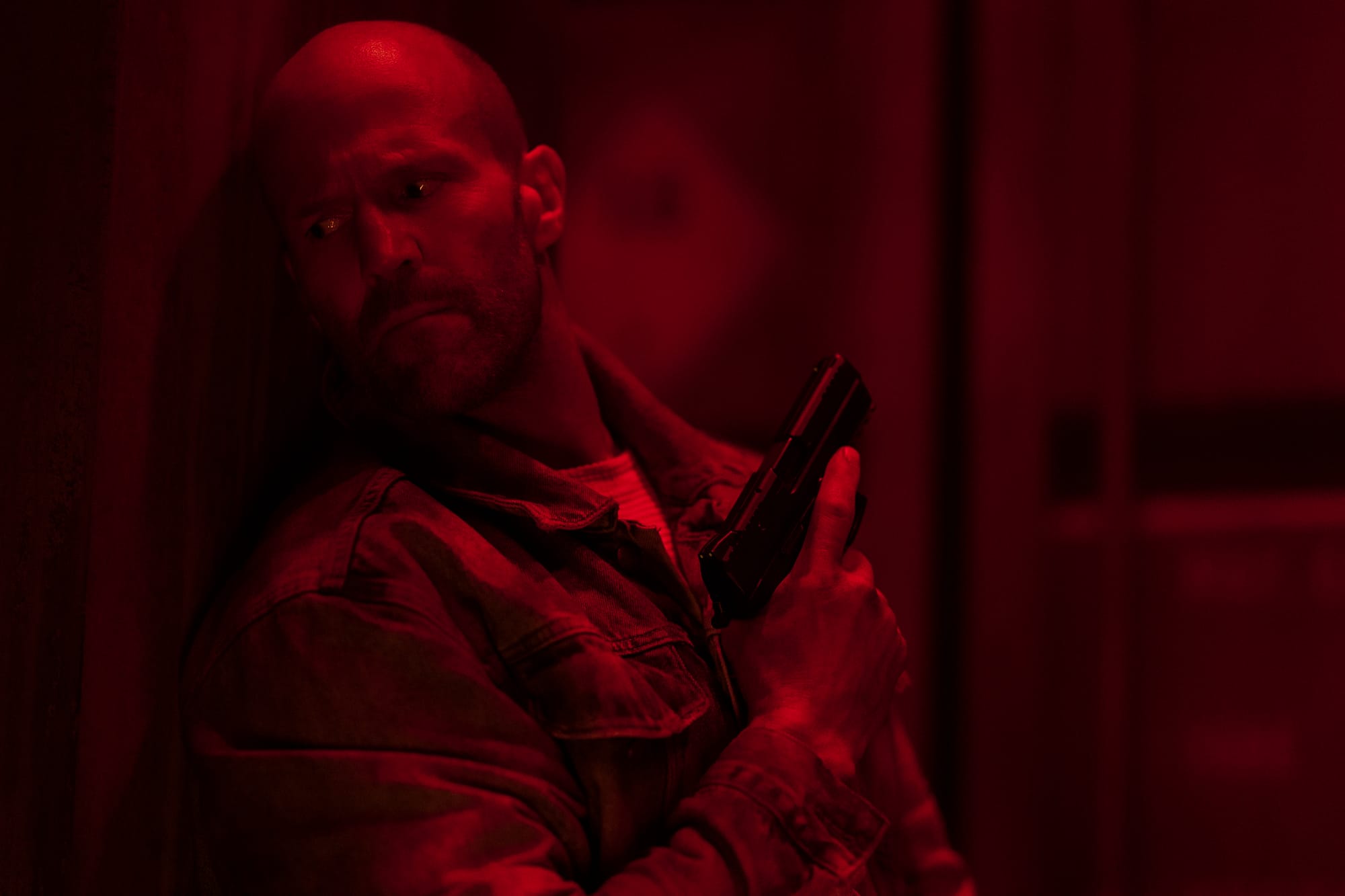
In action movies like this, where set pieces will take place in one distinct location, it’s standard practice to take a character (and the audience) on a tour of the area first so when bodies are flying and the camera is zipping around later, it’s easier to follow. Mutiny even has a built-in reason for such a scene – it’s the first day on the ship for Wallis’s character. But instead of taking Wallis and us on a tour first, Mutiny drops into random hallways and stairwells for set pieces that have admittedly fun pops of violence but no larger sense of where they are located in the space. It’s a disorienting experience which ultimately smooths out towards the final third of the movie as you get a better sense of the ship, but there is no reason not to do a quick tour (or even show a map!) of the boat to better guide audiences through the first 45 minutes in the location.
Light spoilers here, but unfortunately nothing that will be a surprise to anyone who has watched an action thriller over the past decade: That conspiracy I mentioned earlier? Surprise, Mutiny is yet another human trafficking movie! It’s the most tired trope currently running through the action genre, not just because of bad actors exploiting it to advance harmful political agendas, but because these movies tend to treat the humans being trafficked as props rather than real characters. Mutiny is among the worst offenders in this regard – of the dozens of trafficking victims we see (presumably Thai, where the movie is set), only two have any speaking lines, mostly to thank the white leads for their bravery. Mutiny’s narrative about human trafficking from the Global South also positions the US Army and a billionaire as allies against this fight, a choice that feels detached from reality in our current political climate.
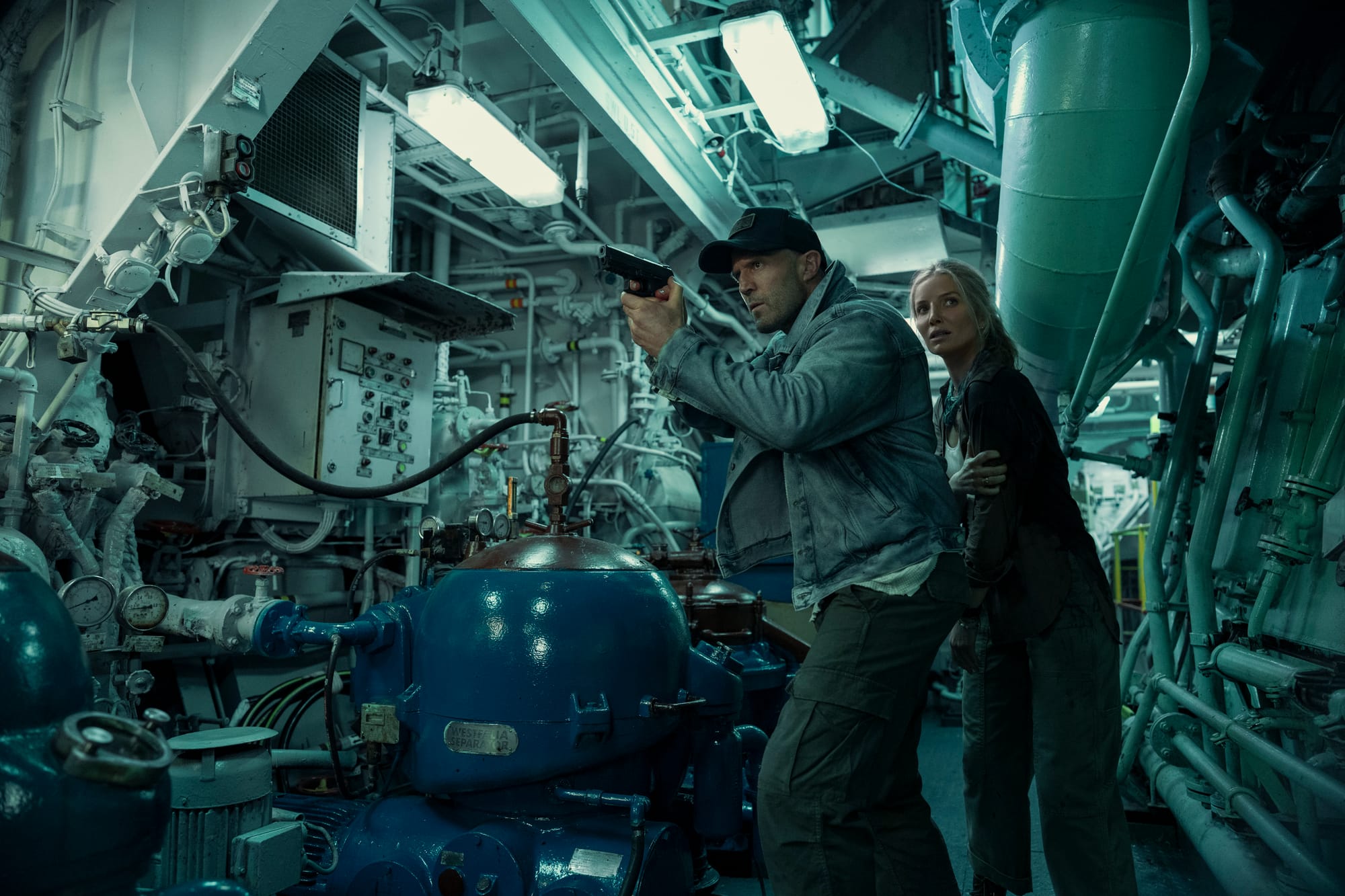
Mutiny finds itself caught between two or three villains, but the most present is the Danish ship captain Marko Madsen (Roland Møller). He’s so Scandinavian and menacingly dry that he’s the world’s worst bullshitter, with multiple scenes where he unconvincingly pretends not to know about the kidnapped migrants being held prisoner on his ship. One of those scenes involves Wallis’s character, and the fact that she doesn’t immediately believe her boss is the only interesting note about her. (The only other character trait she has is being a mom, so she has a reason to care about the kidnapped migrants, I guess?)
The movie is filled with clunky expository dialogue, designed for audiences watching while on their phones, and inconsistent character choices that undercut even Statham’s reliable gruff but gentle performance. The pacing of Mutiny is also extremely bizarre – it takes a third of the movie’s run-time to get on the boat, and the classic “he’s a badass” lore drop montage happens more than two thirds of the way through the movie, when we’ve already see him be a badass repeatedly.
Even though he’s strong in just about every project, Jason Statham’s been on a streak of alternating killer movies with absolute stinkers. Shelter was good, therefore Mutiny was not. The Beekeeper ruled, therefore A Working Man stunk. If there’s one piece of good news out of Mutiny besides getting to see Jason Statham annihilate some deserving fools again, it’s that it must be a good omen for next year’s The Beekeeper 2.